NYC Access Control Compliance: Door Hardware, Fire Code & Egress Requirements Explained
Matching Access Control With Door Hardware and Life-Safety Codes
There is a fundamental tension in building security. As a business owner or facility manager, your primary goal is to keep unauthorized people out.
However, the Fire Department of New York (FDNY) and local building inspectors have a different priority. They want to ensure people can get out.
When you install an electronic lock on a door, you are placing yourself right in the middle of this tension. If you get it wrong, you aren't just risking a violation or a fine during your next inspection; you are risking the safety of everyone in your building and exposing your organization to massive liability.
In New York City, "hacking" together a security system is not an option. The codes here are stricter than almost anywhere else in the country.
At Streamline Telecom, we approach Access Control Installation with a compliance-first mindset. We know that a system that fails a fire inspection is a system that has to be ripped out and re-installed at your expense.
This guide explains the rules of the road for NYC access control, stripped of the legal jargon, so you can assess your facility’s risk today.
The Golden Rule: "Free Egress"
The most important concept in life safety code is Free Egress.
In simple terms, this means that any person inside your building must be able to leave without "special knowledge or effort."
- No Special Knowledge: You shouldn't need to read a sign, swipe a badge, or punch a code to exit a room during an emergency.
- No Special Effort: You shouldn't need to use two hands, twist two different knobs, or apply excessive force.
If an employee has to swipe their badge to leave the office suite (known as "read-out"), you are likely violating code unless you have very specific variances usually reserved for high-security government facilities or detention centers. For 99% of NYC businesses,
one motion must open the door.
Magnetic Locks vs. Electric Strikes: The Compliance Trap
The type of lock you choose dictates how complex your compliance requirements become.
Electric Strikes (The Safer Bet)
An electric strike replaces the metal plate on the door frame. It buzzes to release the latch when someone swipes a card.
- Why Compliance is Easier: Because the actual door handle still works mechanically from the inside. Even if the power is on, and the door is locked from the outside, you can simply turn the handle and walk out. This inherently satisfies the "Free Egress" rule.
Magnetic Locks (The "Special Locking Arrangement")
Maglocks use an electromagnet to hold the door shut. There is no mechanical latch.
- The Risk: If the power stays on, the door stays locked. You physically cannot push it open.
- The Requirement: Because of this risk, NYC code requires a "Special Locking Arrangement." If you install a maglock, you must also install:
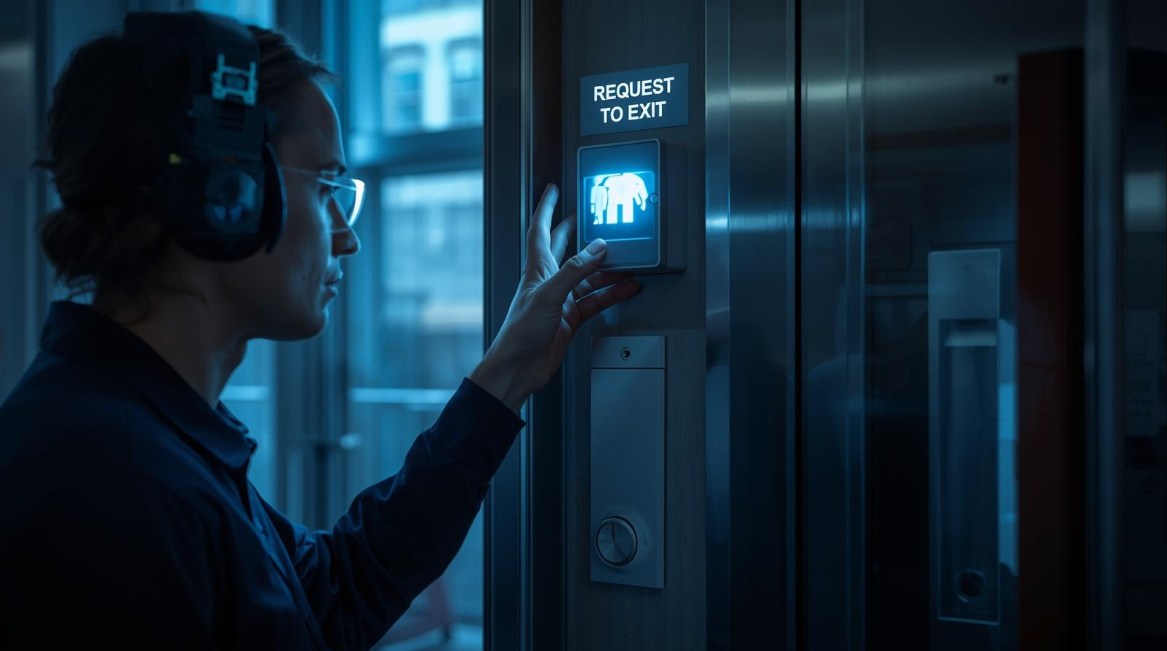
- A Motion Sensor (Request-to-Exit or REX): This detects someone walking toward the door and cuts power to the magnet automatically.
- A Push-to-Exit Button: A clearly labeled button (usually green) that cuts power to the magnet for 30 seconds, independent of the sensor.
- Fire Alarm Integration: The most critical piece.
The Fire Alarm Connection
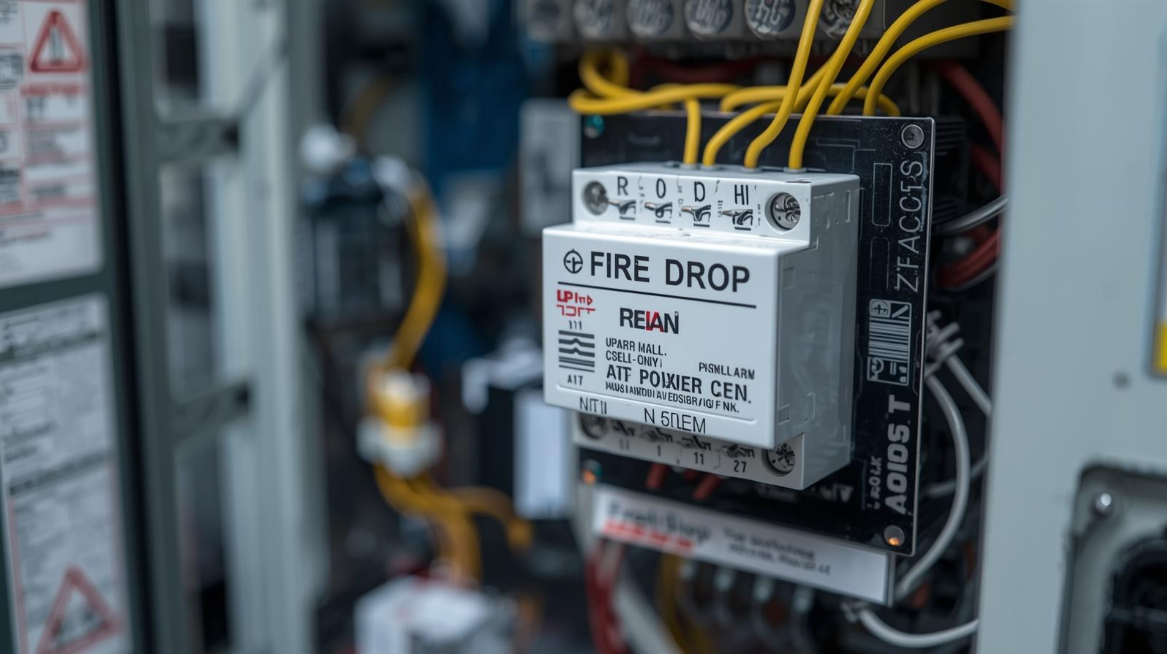
If you have magnetic locks, your access control system must be hardwired to your building’s fire alarm panel.
If the fire alarm triggers—whether it is a pull station, a smoke detector, or a sprinkler flow switch—relays must immediately cut power to every maglock in the building. The doors must "fail safe" (unlock) so people can flee without restriction.
We often see DIY installations where the contractor skipped this step to save money on cabling. This is an immediate fail during an inspection.
ADA Compliance: Don't Forget Accessibility
Compliance isn't just about fire; it is about accessibility. The Americans with Disabilities Act (ADA) has strict guidelines for Access Control Systems.
- Reader Height: Card readers cannot be placed too high for someone in a wheelchair to reach.
- Door Width: When retrofitting older NYC buildings, we must ensure that the installed hardware doesn't encroach on the clear opening width of the door.
- Closing Speed: If you install a heavy electric lock, you may need to adjust the door closer so the door doesn't slam shut on someone moving slowly.
Fail-Safe vs. Fail-Secure
Understanding these two terms is critical for your security strategy.
- Fail-Safe (Maglocks): When the power goes out, the door unlocks. This is required for safety on doors that rely solely on magnets.
- Fail-Secure (Electric Strikes): When the power goes out, the door remains locked from the outside, but you can still exit from the inside.
For high-security areas like server rooms or record archives, "Fail-Safe" can be a liability. If the power is cut, your security is gone. In these instances, we typically recommend electric strikes or electrified handset hardware powered by a UPS (battery backup) to maintain security while still allowing safe egress.
"Safety and security are two sides of the same coin. A system that traps people inside during an emergency isn't a security system; it's a liability." —
National Fire Protection Association (NFPA) Code Commentary
5 Common NYC Violations We See
If you are walking your property today, look for these red flags:
- Maglocks without a Motion Sensor: The door only opens if you push a button. This is a violation because panic can prevent someone from finding the button.
- "Reader In / Reader Out" on Fire Doors: Unless you have a specific variance, requiring a badge to leave a floor is usually illegal.
- Painted-Over Sensors: Painters often spray over the Request-to-Exit motion sensors, rendering them blind.
- Battery Backup on Maglocks without Fire Tie-In: If the power goes out, the battery keeps the magnet locked. If there is a fire during that outage, people are trapped.
- Exposed Wiring: Wires draped across the door frame (loops) that can be cut or tampered with.
Documentation and Permits
In NYC, significant alterations to door hardware may require filing with the Department of Buildings (DOB) or review by the FDNY.
If you are in a landmarked building or a large commercial occupancy (Class E), you cannot just drill holes and run wires. You need a partner who understands the paperwork. At Streamline Telecom, we ensure our Access Control NYC Guide standards meet all local regulatory requirements.
Summary Checklist for Buyers
Before you sign a contract for a new system or an upgrade, ask these questions to ensure compliance:
- Fire Integration: "Will these locks automatically release if the fire alarm goes off?"
- Egress: "Can I walk out of this door without pushing a button or swiping a badge?"
- Power Fail: "What happens to this door if the building loses power?"
- Cabling: "Are you using plenum-rated cable in the ceilings?" (This is a fire code requirement for air-handling spaces).
Why Experience Matters
Compliance is not the place to save money. A cheap installation that fails inspection will cost you double: once to install it wrong, and once to rip it out and do it right.
Streamline Telecom provides Access Control Maintenance NYC services that keep you compliant year after year. We build systems that are safe, secure, and ready for inspection day.
Worried about your current compliance status?
We can perform a site walkthrough to identify violations and propose a retrofit plan that keeps your building safe and legal.
Contact us today to schedule a compliance audit.
More Posts From Our Blog